

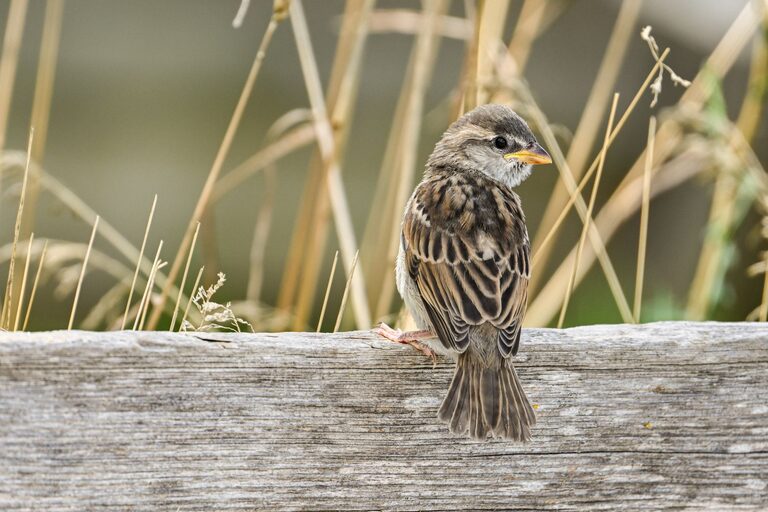
Backyard birdwatching is an easy and rewarding hobby for people of all ages. You do not need expensive equipment, a large yard, or expert knowledge to get started. With a few simple supplies and some patience, you can begin noticing the birds that visit your outdoor space every day.
Birdwatching, also called birding, combines observation, listening, and learning. It can be as simple as watching birds from a kitchen window or as detailed as keeping a list of every species you see. These beginner tips will help you create a welcoming backyard and make the most of each sighting.
Start With Simple Equipment
You can begin birdwatching with items you already have. A comfortable place to sit, a notebook, and a clear view of your yard may be all you need.
As you become more interested, consider adding:
– Binoculars: Choose a lightweight pair that feels comfortable in your hands. A moderate magnification is usually easier for beginners to use than a very powerful pair.
– Field guide: A regional bird guide can help you compare markings, shapes, colors, and behaviors.
– Notebook or app: Record the date, location, weather, and birds you see. Many birdwatchers enjoy keeping a life list, which is a record of different species they have observed.
– Camera or phone: Photos can help you identify birds later, even if they are not perfectly clear.
You do not need to buy everything at once. Start with observation, then add equipment as your interest grows.
Choose a Good Viewing Spot
Look for a place where birds are likely to visit and where you can observe them without causing unnecessary disturbance. A window, porch, deck, or shaded corner of the yard can work well.
Set up your viewing spot near natural cover, such as trees, shrubs, or tall grasses. Birds often feel more comfortable when they have a nearby place to hide from predators. At the same time, avoid placing feeders directly against windows, where birds may be more likely to collide with the glass.
Keep your viewing area comfortable. A chair, cushion, or small table can make longer observation sessions more enjoyable. Try to keep noise and movement low, especially when birds are feeding or resting.
Add Food and Water Carefully
Bird feeders can attract a variety of species, but they should be used thoughtfully. Different birds prefer different types of food, so offering more than one option may bring greater variety.
Common choices include:
– Black oil sunflower seeds: Popular with many backyard birds
– Millet: Often favored by smaller ground-feeding birds
– Nyjer seed: Commonly used to attract finches
– Suet: Helpful for woodpeckers and other birds that eat insects or high-energy foods
– Fruit: May attract species such as robins, thrushes, or waxwings, depending on your area
Clean feeders regularly and remove wet or spoiled food. Dirty feeders can spread disease among birds. Place feeders where you can easily reach them for cleaning and refilling.
Fresh water is also valuable. A shallow birdbath can attract birds that may not visit feeders. Change the water frequently, scrub the container, and keep the water shallow enough for safe bathing. Adding a few stones can give birds a secure place to stand.
Create a Bird-Friendly Yard
A welcoming habitat offers more than food. Birds also need shelter, nesting areas, and safe places to rest.
Consider adding a mix of:
– Native trees and shrubs
– Flowering plants that produce seeds
– Plants that attract insects
– Dense bushes for cover
– Leaf litter and natural ground cover
– Small trees or vines that provide nesting sites
Native plants are often a good choice because local birds are familiar with them. They can also support insects and other natural food sources. Even a small balcony or patio can support birds with containers of suitable plants and a clean water source.
If possible, reduce the use of outdoor chemicals and avoid removing every fallen leaf or dead branch. Some birds search these areas for insects, nesting material, and seeds. A slightly untidy natural space can be more useful to wildlife than a perfectly trimmed yard.
Learn Basic Bird Identification
Identifying birds becomes easier when you focus on several details instead of color alone. A bird’s size, shape, behavior, and location can provide important clues.
Pay attention to:
- **Size:** Compare the bird with familiar species, such as a sparrow, robin, or crow.
- **Shape:** Notice the bill, tail, wings, and body proportions.
- **Color pattern:** Look for stripes, spots, wing bars, eye rings, or patches.
- **Behavior:** Watch how the bird feeds, flies, walks, or moves through trees.
- **Sound:** Listen for songs, calls, chirps, and alarm notes.
- **Habitat:** Note whether the bird is on the ground, in a shrub, near water, or high in a tree.
Start by learning a few common local birds rather than trying to identify everything immediately. Once you recognize familiar species, unusual visitors will be easier to notice.
Use Bird Calls as Clues
Birds are often easier to hear than see. Learning a few common calls can help you locate birds hidden in trees or dense shrubs.
When you hear a sound, pause before searching. Try to identify the direction, volume, and rhythm. Is it a single repeated note, a quick series of sounds, or a longer song? After listening, look slowly instead of moving your head quickly.
Many bird identification apps include sound recordings, but it is best to use them as learning tools rather than playing sounds repeatedly outdoors. Recorded calls may disturb birds or affect their natural behavior.
Practice Patience and Quiet Observation
Birdwatching rewards patience. Birds may disappear as soon as you step outside, but they often return when the area becomes quiet again.
Try these habits:
– Sit quietly for 10 to 15 minutes.
– Wear neutral, comfortable clothing.
– Move slowly and avoid sudden gestures.
– Watch one area instead of scanning constantly.
– Observe during the early morning or late afternoon.
– Return to the same spot regularly.
You may see more activity at certain times of day or during seasonal changes. Keeping notes will help you discover patterns in your yard.
Keep a Simple Birdwatching Journal
A journal makes each outing more memorable and helps you improve your skills. For every observation, write down the date, time, weather, location, and bird species if known.
You can also record:
– What the bird was doing
– Where it was feeding or resting
– Which birds appeared together
– Any unusual colors or markings
– The sounds you heard
– Questions for later research
If you are unsure of an identification, write down your best guess and mark it as uncertain. Looking back at notes and photos can help you solve the mystery later.
Respect Birds and Their Habitat
Good birdwatching puts the birds’ well-being first. Keep a reasonable distance from nests, fledglings, and resting birds. Never handle a wild bird or try to force it into view.
Keep cats indoors or use a secure outdoor enclosure, since free-roaming cats can pose a serious threat to birds. Clean feeders and birdbaths regularly, and position them where birds have protection from sudden danger.
Most importantly, enjoy the process. You do not need to identify every bird or maintain a long list for birdwatching to be meaningful. Take time to notice small details, listen to the sounds around you, and appreciate the wildlife that shares your backyard.