

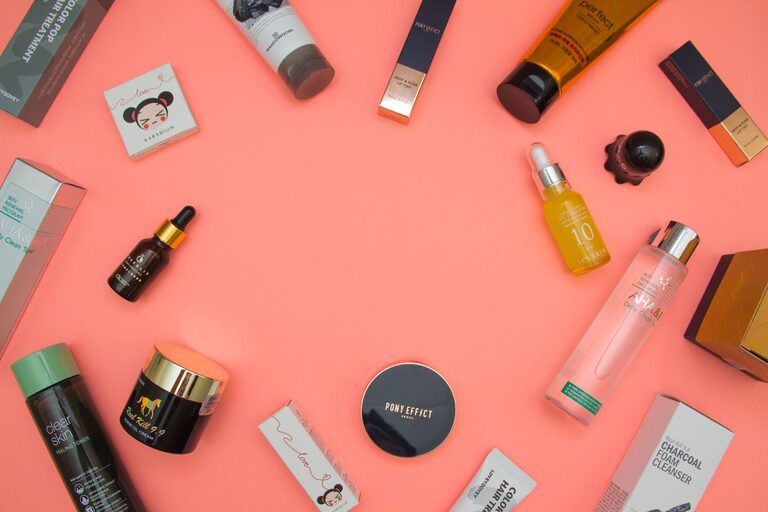
Starting a skincare routine does not need to be complicated. A few consistent steps can help keep your skin clean, comfortable, and protected. The goal is not to use every product on the shelf. Instead, begin with a simple routine and add products only when you understand why you need them.
Your skin can change with the seasons, age, stress, and daily habits. A routine that works for one person may not work for another, so give yourself time to learn how your skin responds.
The Basic Skincare Routine
A beginner-friendly routine has three main steps:
- Cleanse the skin.
- Apply moisturizer.
- Use sunscreen during the day.
These steps can be adjusted for different skin types and preferences. Start with the basics for a few weeks before adding extra products.
Morning routine
A simple morning routine may include:
– Gentle cleanser, if needed
– Moisturizer
– Broad-spectrum sunscreen
Some people prefer to rinse with water in the morning, especially if their skin feels dry or sensitive. Others may prefer a gentle cleanser to remove oil and product residue from the night before.
Evening routine
An evening routine may include:
– Makeup or sunscreen removal
– Gentle cleanser
– Moisturizer
Nighttime is a good opportunity to wash away the day’s buildup and apply a comfortable moisturizer. If you use makeup, remove it before cleansing so your cleanser can reach the skin more effectively.
Step 1: Choose a Gentle Cleanser
A cleanser removes sweat, excess oil, makeup, sunscreen, and everyday dirt. Look for a product that leaves your skin feeling clean but not tight or uncomfortable.
Helpful features to consider include:
– A gentle, fragrance-free formula if your skin is easily bothered
– A creamy or lotion-based cleanser for skin that feels dry
– A light gel cleanser for skin that becomes oily
– A makeup-removing cleanser or balm when needed
Use lukewarm water rather than very hot water, which can leave skin feeling dry. Apply the cleanser with clean fingertips and avoid scrubbing hard. Pat your face dry with a clean towel instead of rubbing.
Washing your face too often can be irritating. For many people, cleansing at night is the most important step, while morning cleansing depends on personal preference and skin needs.
Step 2: Add a Comfortable Moisturizer
Moisturizer helps support the skin’s natural barrier and can make skin feel smoother and more comfortable. Even skin that appears oily may benefit from moisturizer, particularly if cleansing leaves it feeling tight.
When choosing a moisturizer, consider its texture:
– Gel moisturizers are light and often comfortable for oily skin.
– Lotions offer a balanced texture for many skin types.
– Creams are richer and may suit dry or easily dehydrated skin.
– Ointments are very rich and are usually best used on small dry areas.
A basic moisturizer does not need a long list of ingredients. Look for a product that feels comfortable, spreads easily, and does not make you want to wash it off. Apply it after cleansing while your skin is slightly damp if that feels comfortable.
Step 3: Wear Sunscreen During the Day
Sunscreen is an important part of a daily skincare routine. It helps protect exposed skin from ultraviolet rays, which can contribute to sunburn and visible signs of aging.
Choose a broad-spectrum sunscreen with an SPF of 30 or higher. Apply it as the final step of your morning routine, after moisturizer. Use enough to cover commonly exposed areas, including your face, ears, and neck.
Reapply sunscreen when you spend extended time outdoors, sweat heavily, swim, or towel off. Hats, sunglasses, shade, and protective clothing can also provide useful coverage.
A sunscreen that feels comfortable is more likely to become a regular habit. Try a few textures, such as lotion, gel, or cream, until you find one that fits your preferences.
How to Identify Your Skin Type
Skin type can help guide product choices, but it is not a permanent label. Your skin may feel different in winter, summer, or during periods of stress.
Dry skin
Dry skin may feel tight, rough, or flaky. Creamier cleansers and richer moisturizers may feel more comfortable. Avoid using several drying products at once.
Oily skin
Oily skin may look shiny or feel greasy, especially in the center of the face. Lightweight, non-greasy products can be a good starting point. Avoid harsh scrubbing, which may leave skin feeling irritated.
Combination skin
Combination skin may be oily in some areas and dry in others. You can use a lighter product across the face and apply a richer moisturizer only where needed.
Sensitive or easily irritated skin
Skin that stings, burns, becomes red, or reacts easily may benefit from a short routine with gentle, fragrance-free products. Introduce new products one at a time so it is easier to identify anything that causes discomfort.
Add New Products Slowly
Once your basic routine feels comfortable, you may want to try an additional product. Examples include a hydrating serum, exfoliating product, or treatment designed for a specific cosmetic concern.
Add only one new product at a time. Use it as directed and give your skin time to adjust before adding something else. Starting several products at once makes it difficult to know which product is helping or causing irritation.
Before applying a new product widely, test a small amount on an inconspicuous area, such as the inner arm or along the jawline. Stop using it if you experience ongoing burning, swelling, or significant discomfort.
Common Skincare Mistakes to Avoid
A simple routine is easier to maintain when you avoid a few common mistakes:
– Using too many products at once
– Scrubbing the skin aggressively
– Washing with very hot water
– Skipping sunscreen during outdoor activities
– Changing products every few days
– Applying products in an uncomfortable order
– Choosing products based only on social media trends
More products do not automatically mean better results. Consistency, patience, and comfort are usually more useful than a crowded bathroom shelf.
A Simple Weekly Plan
To get started, follow this basic plan:
Morning
- Rinse with water or use a gentle cleanser.
- Apply moisturizer.
- Finish with broad-spectrum sunscreen.
- Remove makeup or sunscreen if needed.
- Cleanse gently.
- Apply moisturizer.
Evening
Follow this routine consistently for several weeks. Keep notes about how your skin feels, especially after cleansing and throughout the day. This can help you decide whether your products are comfortable and suitable.
When to Seek Professional Guidance
If you have persistent discomfort, severe irritation, or a skin concern that does not improve with a gentle routine, consider speaking with a qualified dermatologist. A professional can help you understand your skin and choose appropriate products.
The best basic skincare routine is one you can follow regularly. Start small, focus on gentle care and daily sun protection, and make changes gradually as you learn what works for you.